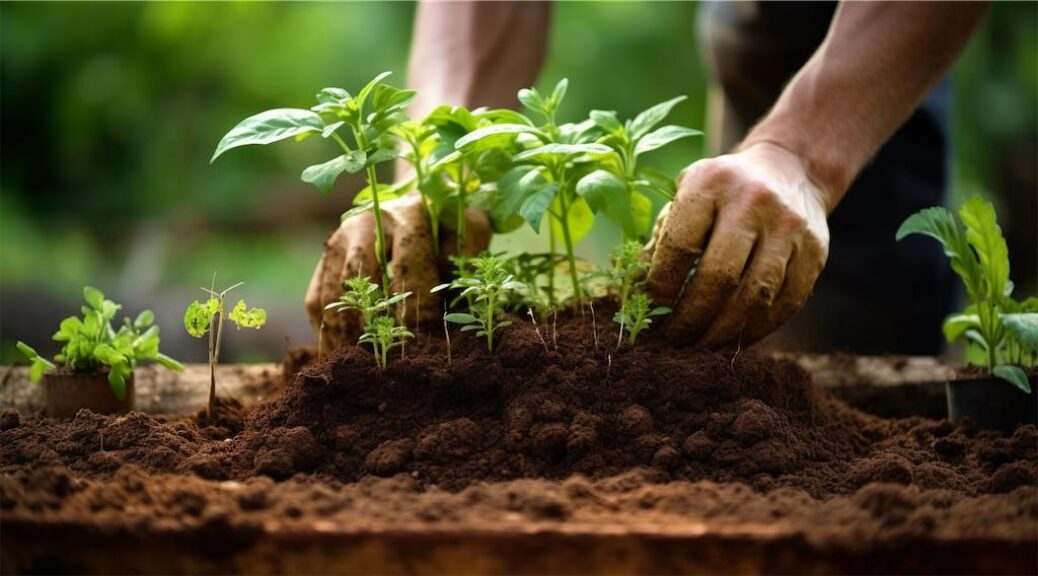
A genetikailag módosított növények és állatok használata az utóbbi évtizedekben jelentős fejlődést mutatott. Azonban ezeknek a technológiáknak a használata számos etikai dilemmát vet fel, amelyek hatással vannak a fenntarthatósági törekvésekre. Ez a cikk részletesen bemutatja ezeket a dilemmákat és azok hatásait.… Elolvasom!
Miként változtathatja meg a fenntarthatóság az agrár ágazati árképzési stratégiákat?
A fenntarthatóság egyre fontosabb szerepet játszik az agrár ágazatban, és hatással van az árképzési stratégiákra is. A fenntarthatóság célja az, hogy a mezőgazdasági termelés hosszú távon is fenntartható legyen, és minimalizálja a
Miként változik a borászat tájképe a fenntartható mezőgazdasági technikák alkalmazásával?
A fenntartható mezőgazdasági technikák alkalmazása jelentős hatással van a borászat tájképére. Az alábbiakban részletesen bemutatjuk, hogy milyen változások következnek be a borászatban, amikor a fenntarthatóságra helyezzük a hangsúlyt.
A fenntartható élelmiszertermelés és -fogyasztás kulcsfontosságú téma napjainkban. Az oktatási programoknak fontos szerepük van abban, hogy a diákok megértsék a fenntartható élelmiszertermelés és -fogyasztás jelentőségét, és megtanulják, hogyan támogathatják azt a minőség megőrzése mellett. Ez a cikk részletesen bemutatja, hogy miként … Elolvasom!
A gazdálkodók számára fontos, hogy az állatjólétet és a fenntarthatóságot magas szinten összehangolják. Ez nem csak az állatok egészségének és jóllétének javítását eredményezi, hanem hosszú távon a gazdasági és környezeti fenntarthatóságot is elősegíti. Ebben a cikkben bemutatjuk, hogyan lehet ösztönözni a … Elolvasom!
A fenntartható étkezési szokások kialakítása az oktatási intézményekben olyan folyamat, amelynek célja a diákok és az oktatási közösség tagjainak tudatosságának növelése a fenntartható élelmiszerfogyasztás és az egészséges étkezés terén. Az oktatási intézményeknek fontos szerepük van abban, hogy a diákokat megtanítsák a … Elolvasom!
Miként ösztönözhetik az agrárpiacok a termelőket a fenntartható gyakorlatok alkalmazására?
A fenntartható gyakorlatok alkalmazása az agráriumban kiemelkedően fontos tényezővé vált az elmúlt évek során. Az agrárpiacoknak pedig kulcsszerepük van abban, hogy hogyan ösztönzik a termelőket a fenntartható gyakorlatok alkalmazására. A következőkben részletesen … Elolvasom!
A fenntarthatóság egyre fontosabbá válik a mezőgazdasági szektorban. Az agroökológiai vállalkozások olyan gazdálkodási módszereket alkalmaznak, amelyek összhangban vannak a természettel és hozzájárulnak a fenntartható fejlődéshez. Ebben a cikkben megvizsgáljuk, hogyan lehet ösztönözni ezeknek a vállalkozásoknak a növekedését a fenntarthatósági célok eléréséhez.… Elolvasom!
Miként segíthetnek az oktatási és képzési programok a borászoknak a globális piacon történő versenyben?
Az oktatási és képzési programok kulcsfontosságú szerepet játszanak a borászok versenyképességének növelésében a globális piacon. A megfelelő szakmai ismeretek és készségek megszerzése segíti a borászokat abban, hogy hatékonyan … Elolvasom!
A fenntartható élelmiszerellátás egyre fontosabbá válik a világban, ahogy növekszik a népesség és nő az élelmiszerigény. Az okos csomagolási technológiák lehetőséget nyújtanak a hatékonyabb és fenntarthatóbb élelmiszerellátási láncok kialakítására. Ez a cikk részletesen bemutatja, hogy miként segíthetnek ezek a technológiák a … Elolvasom!
Gazdák Egymásért OnLine: A magyar mezőgazdaság közösségi platformja, ahol gazdák osztanak meg tudást, tapasztalatokat és újításokat, egymást támogatva a fenntartható és sikeres gazdálkodás érdekében.